


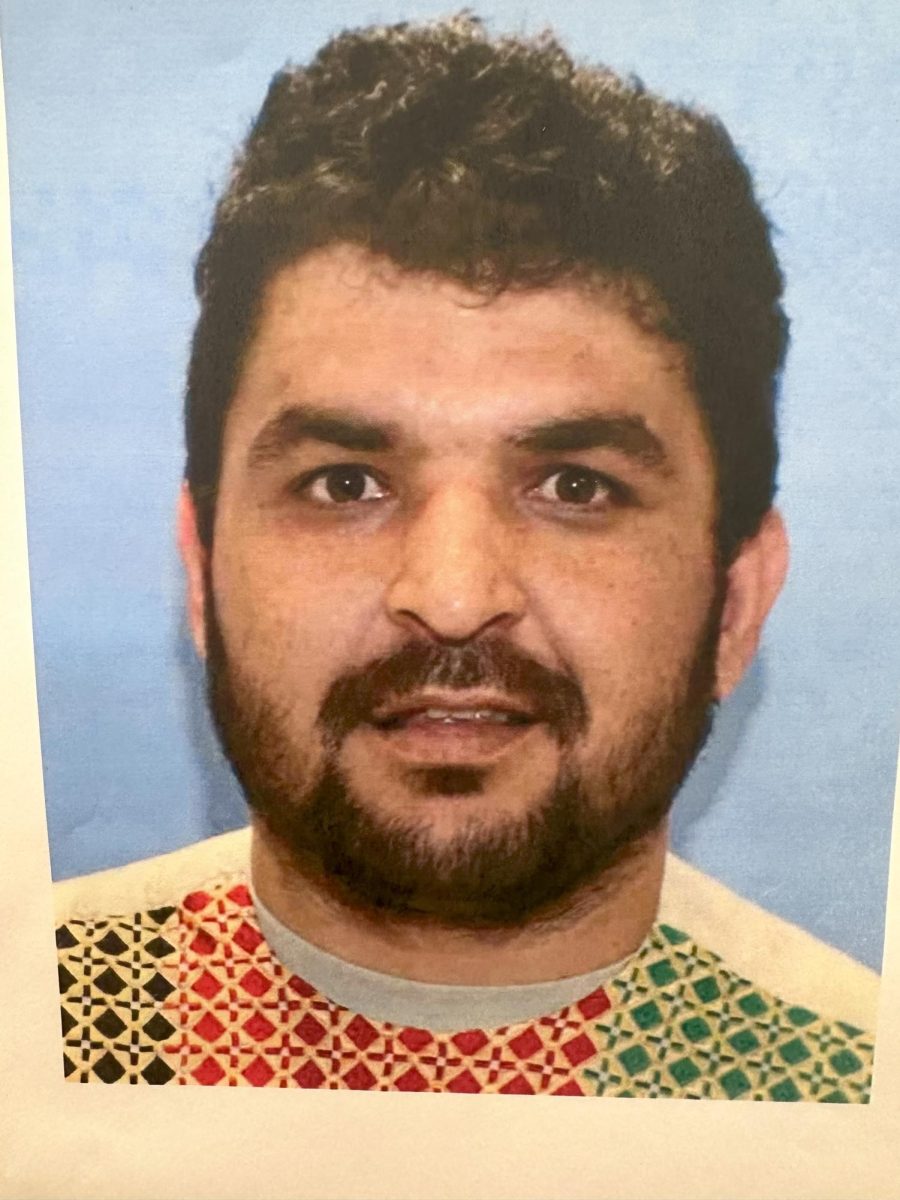
Court documents from the Superior Court of the District of Columbia reveal that at approximately 2:13 p.m. on the eve of Thanksgiving, a broad-daylight shooting shook the busy intersection of 17th and I street NW, just three blocks from the White House complex. Members of the West Virginia National Guard, Sarah Beckstrom and Andrew Wolfe were both shot, with Beckstrom later succumbing to her injuries. Court documents also reveal the alleged shooter as 29 year old, Rahmanullah Lakanwal. Washington, D.C. Mayor, Muriel Bowser confirmed the shooting targeted members of the national guard through a post on her official mayoral account on X (formerly known as twitter). According to Pentagon Press Secretary, Kingsley Wilson, from a Dec. 2. press briefing on the matter, over 2,000 national guard troops have been tasked with patrolling Washington, D.C. streets since the signing of Executive Order 14333 by President Donald Trump in August 2025. A CBS News report confirms that Lakanwal came to the United States from Afghanistan under Operation Allies Welcome (OAW) in 2021, due to his involvement with the CIA. OAW was created by then President Joe Biden, aimed at resettling refugees following the 2021 withdrawal from Afghanistan. The reality is not enough has been done to assist Afghan refugees following the 2021 withdrawal, many of whom worked alongside U.S. military members fighting the Taliban.
Although over six billion dollars were allocated for the resettlement of Afghan refugees in September 2021, it is important that assistance is continued for refugees, particularly mental health resources for those who worked alongside U.S. military and intelligence forces.
In August 2021, The United States evacuated over 70,000 refugees from Afghanistan, one of the refugees rescued is junior, Hosay Popalzay.
“There were 15 days left for Americans to get out of Afghanistan, and everyone was in a hurry to get on a plane to get to America. Many of my family members on my father’s side worked alongside Americans for 15-20 years, so we were able to get on one of those planes,” Popalzay said.
Popalzay describes the hardships some Afghan refugees who worked with the U.S. military have felt, transitioning from the battlefield to a regular 9-5 job.
“In my opinion, a lot of people who came here after working alongside the U.S. military, have found that it is more difficult transitioning to a job with a company instead of working with the army,” Popalzay said.
Popalzay notes the mental health struggle for many Afghan refugees.
“A lot of Afghan refugees have mental health issues, and some even go crazier and do attacks on other people, but not all Afghans are like that and the ones that shoot people give a bad name to all the Afghan people,” Popalzay said.
Congress must allocate more mental health resources to those resettled in 2021 who served alongside U.S. military and intelligence service members. The effects of mental health issues from the battlefield in Afghanistan are being shown, and we must do all we can so that another attack does not take place.